Planning a renovation involves many moving parts — choosing materials, estimating costs, and working out dimensions. One tool that can simplify this process is a Room Area Calculator. In this article, you’ll learn in friendly, easy-to-follow steps how to use a room area calculator specifically for home renovations. Whether you’re replacing flooring, painting walls, or redesigning layouts, this practical guide will help you avoid costly mistakes and measure with confidence.
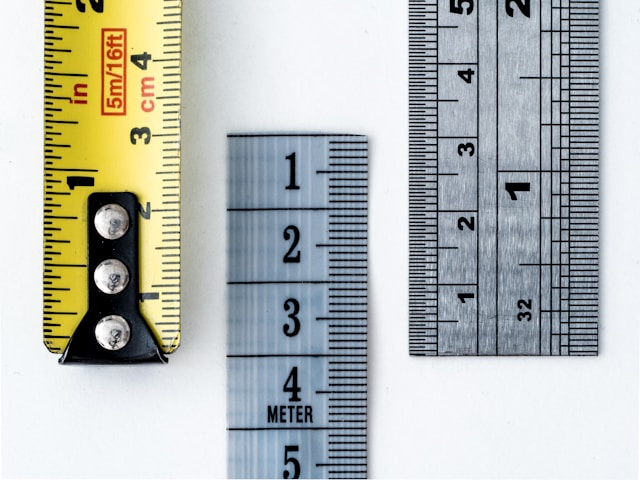
When planning a renovation, one of the first steps is figuring out the exact dimensions of your space, and that's where knowing how to use a Room Area Calculator for home renovations comes in handy. By simply inputting the length and width of a room, you can instantly get the total area, helping you estimate materials like paint, flooring, or tiles without guesswork. This accuracy saves time, money, and prevents overbuying. Interestingly, just like in physics when we distinguish between concepts such as What Is the Difference Between Weight and Mass in Science?, using the right calculation tool ensures you're working with precise data rather than assumptions - and in both cases, precision makes all the difference.
Why Use a Room Area Calculator?
Before we dive into the how, let's understand why this tool is so helpful:
-
Accuracy - it reduces human measurement errors.
-
Time-saving - no more manual calculations for each wall or floor.
-
Cost estimation - helps you approximate how much material (paint, tile, wood) you'll need.
-
Comparisons - you can easily compare rooms or layout options.
With a room area calculator, you can turn messy hand-drawn sketches into precise numbers that guide your renovation decisions.
Step-by-Step Guide: Using a Room Area Calculator for Renovation
Below is a friendly walkthrough to help you measure and compute effectively.
1. Measure Your Room Dimensions
-
Length and Width: Use a measuring tape or digital laser measure to record the length and width of the room in feet or meters.
-
Additional Segments: If the room is irregular (L-shaped, alcoves, bump-outs), break it into smaller rectangles or shapes.
-
Walls' Height (optional): If you also want to calculate wall area (for paint or wallpaper), measure wall height.
2. Decide Units (Metric or Imperial)
Choose whether you'll work in square meters (m²) or square feet (ft²). Make sure all your measurements are in the same system before entering them in the calculator.
3. Input Values into the Room Area Calculator
Find the section within the calculator where you enter length and width. Use the anchor Room Area Calculator when referencing this tool within your own content (or when linking internally).
-
For simple rooms: enter length and width only.
-
For composite rooms: add each segment separately and sum the results.
-
For walls: enter room perimeter and wall height (if supported).
4. Review and Adjust
The calculator will output the area. Check for obvious errors (e.g. swapped dimensions). If your room is irregular or includes features like bay windows, subtract or adjust those areas manually.
5. Use the Results in Your Renovation Planning
Now that you have the area, you can:
-
Estimate quantity of flooring, tiles, or carpet
-
Estimate amount of paint for walls and ceilings
-
Compare material options based on cost per square unit
-
Create a realistic budget and shopping list
Tips for Better Measurements & More Accurate Results
-
Use a straight edge or laser measure for more precise lengths.
-
Round up measurements slightly to allow for cutting, waste, and fitting.
-
Always double-check dimensions before ordering materials.
-
For complex rooms, sketch a diagram dividing the space into rectangles or triangles.
-
Maintain consistency in units (don't mix feet with meters).
-
Remember doorways, built-in furniture, and windows - subtract their area if necessary.
Key Takeaways
-
A Room Area Calculator helps you convert raw measurements into usable data for renovation.
-
Measure each part of your room carefully and use the same unit system.
-
Double-check results and account for waste or irregularities.
-
With the area in hand, you can plan materials, costs, and logistics more confidently.
Frequently Asked Questions (FAQs)
Q1: Can I use a room area calculator for curved or circular rooms? A: Yes - some advanced calculators let you partition curves into pie slices or segments. Otherwise, approximate by dividing the shape into triangles or trapezoids and summing up.
Q2: Do I need wall height to use a room area calculator? A: Only if you also want to find wall area (for paint or wallpaper). For floor area, height is not required.
Q3: How much extra area should I add for waste or cutting? A: A good rule of thumb is to add 5-10% extra, depending on the material and pattern complexity.
Q4: Can I trust the result if my room has many alcoves or indentations? A: It's better in that case to break the room into simpler shapes (rectangles, triangles) and calculate each separately, then add or subtract portions as needed.
Q5: What if I made a mistake in measurement? A: Always re-measure to confirm before placing orders. Mistakes in one dimension could significantly skew your material estimates.
Conclusion
Using a Room Area Calculator can dramatically simplify the planning phase of your home renovation. With accurate dimensions at your fingertips, you'll avoid costly overorders or shortages of materials. Just follow the steps above: measure carefully, input clean data, review your results, and apply them in your planning. Before you start shopping or executing, you can also consult a tool like the one found at this URL for further reference.